
Search
Categories
- Money News (7)
- Gold News (32)
- Precious Stones (4)
100% Secure Payment
Fast delivery within 24 hours*
Certified and Traceable Products
Belgian Company
800, 900, or 925 Silver: What Are the Differences, and Which Is Worth the Most?
- October 21, 2026
- 2:33 p.m.
- Tom
- Share
Have you found an old tray, some silverware, a piece of jewelry, or an object marked with the numbers 800, 900, or 925?
These numbers do not correspond to the object's weight or its year of manufacture. They generally indicate its silver content.
And this difference is significant: for the same weight, a 925 silver item contains more fine silver than an 800 silver item.
So, what do these numbers actually mean? And which one is worth the most?
What do the numbers 800, 900, and 925 mean on silver?
These numbers generally express the alloy's fineness in parts per thousand.
Pure silver is theoretically 1,000 parts per thousand.
A marked object:
- 800 contains about 80% silver;
- 900 contains about 90% silver;
- 925 contains approximately 92.5% silver.
The rest of the alloy consists of other metals, which are often added to make the object more durable.
Pure silver is, in fact, relatively soft and is not always suitable for making objects intended for everyday use.
What is 800 silver?
800 silver is an alloy containing approximately 800 thousandths of silver, or 80 percent.
The remaining 20% consists of other metals.
This type of alloy is found, in particular, in certain pieces of antique silverware:
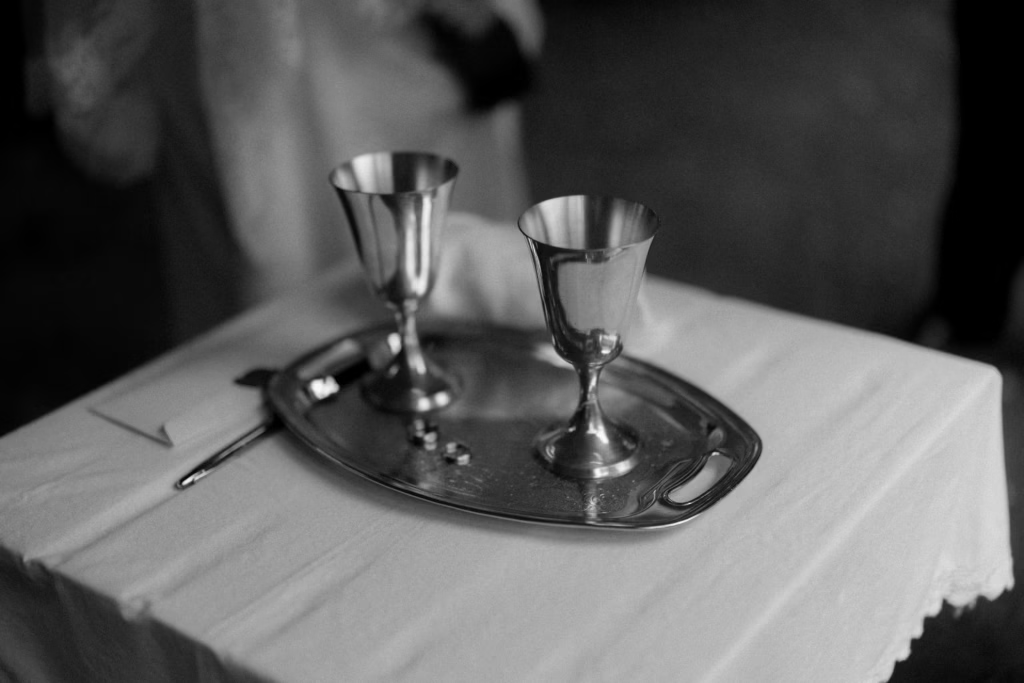
- trays;
- dishes;
- cutlery;
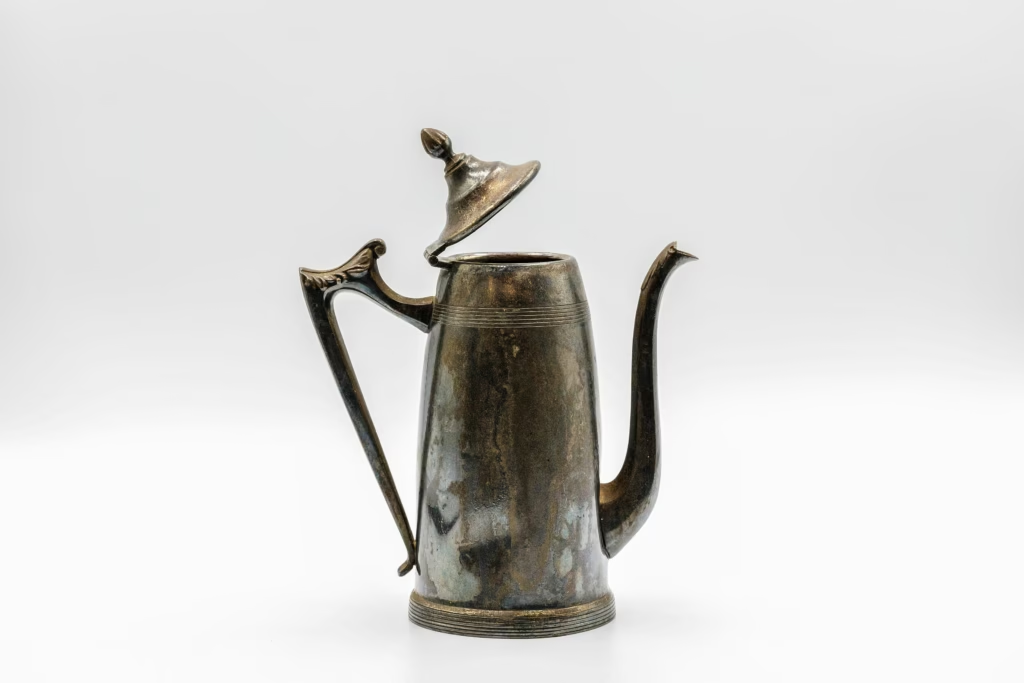
- tea or coffee sets;
- decorative items.
The "800" mark is therefore fully compatible with genuine silver.
An item doesn't have to be made of 925 silver to be valuable.
What is 900 silver?
900 silver contains about 90% fine silver.
It therefore contains more silver than an 800 alloy.
This inscription can be found on various antique objects, certain coins, or certain pieces of silverware, depending on their origin and the period in which they were made.
For the same weight, an object made of 900 silver theoretically contains more fine silver than an object made of 800 silver.
What is 925 silver?
925 silver contains 92.5% silver.
It is commonly called sterling silver.
It is one of the best-known alloys today, particularly in jewelry.
It is frequently found on:
- rings;
- bracelets;
- chains;
- pendants;
- earrings;
- certain silverware items.
When an item is marked “925,” this theoretically means that 925 thousandths of its alloy is silver.
800, 900, or 925 silver: Which is worth the most?
For the same weight, 925 silver contains more fine silver.
Let's take three objects, each weighing 1 kilogram.
An 800-silver object theoretically contains:
1,000 g × 80% = 800 g of fine silver
A 900 silver object contains:
1,000 g × 90% = 900 g of fine silver
And a 925 silver item:
1,000 g × 92.5% = 925 g of fine silver
If the three items are valued solely for their metal content, the 925 item theoretically contains the greatest amount of fine silver.
However, this does not mean that an item marked 925 will always be worth more than one marked 800.
Total weight remains the deciding factor.
Can an 800 silver item be worth more than a 925 silver item?
Yes.
Let's imagine a large 2-kg tray made of 800 silver and a small 300-g object made of 925 silver.
The tray theoretically contains:
2,000 g × 80% = 1,600 g of fine silver
The 925 silver item contains:
300 g × 92.5% = 277.5 g of fine silver
Even though its fineness is lower, the large ingot therefore contains much more silver.
To determine the value of an item, you must always consider both its weight and its fineness.
Why don't we make everything out of pure silver?
Because fine silver is relatively soft.
An object made entirely of nearly pure silver would be more susceptible to scratches, dents, and wear and tear.
Adding other metals results in a stronger alloy.
It's the same principle as with gold: in jewelry making, alloys are often used instead of completely pure metal to achieve better mechanical properties.
925 silver and sterling silver: Are they the same thing?
In most cases, yes.
The term “sterling silver” generally refers to an alloy containing 92.5% silver, or a fineness of 925 parts per thousand.
You may therefore find the following inscriptions on certain objects:
925,
Sterling,
, or sometimes Sterling Silver.
The type of marking depends, in particular, on the object's origin and the period in which it was made.
Are hallmarks enough to determine whether an object is made of silver?
Not always.
The numbers 800, 900, and 925 are important indicators, but we must remain cautious.
Hallmarks can be very small, old, worn, or difficult to interpret.
Marking systems have also varied by country and era.
There are also silver-colored metal objects bearing other types of markings that can easily be mistaken for a silver fineness mark.
When in doubt, it is therefore best to have the item examined.
Sterling silver and silver-plated metal: be careful not to confuse the two
A solid silver object is made entirely of an alloy containing a significant proportion of silver.
A silver-colored metal object, on the other hand, is primarily made of another metal covered with a thin layer of silver.
Visually, the difference can be hard to spot.
Two plates may look almost identical, even though one contains several hundred grams of silver and the other has only a thin layer of silver on its surface.
That's why weight alone is never enough.
Why do some silver items have multiple hallmarks?
An antique silver piece may bear several marks.
In particular, they may correspond to:
- by metal;
- to the manufacturer or the silversmith;
- a guarantee system;
- by country or production period.
Therefore, not all hallmarks directly indicate the silver content.
Interpreting them may require some expertise.
How is the value of a silver item calculated?
When determining a value based primarily on the metal, several factors come into play.
Weight
First, the object is weighed.
Titration
Next, you need to determine its silver content: 800, 900, 925, or another fineness.
The amount of money left
The weight is then converted to fineness to estimate the actual amount of silver contained.
The Price of Silver
Finally, the value of the metal depends on the price of silver at the time of the appraisal.
This price fluctuates in the markets and can therefore cause the value of a given item to change over time.
A concrete example using an 800-silver tray
Let's take a tray that weighs 1.5 kg and is marked "800 silver."
Theoretically:
1,500 g × 80% = 1,200 g of fine silver
That doesn't mean you can simply multiply those 1,200 grams by any price you find online.
A professional appraisal also takes into account the actual composition of the item, any parts made of other materials, and the terms of the purchase.
But this calculation helps us understand why titration is essential.
Is a very heavy object necessarily interesting?
No.
A large tray or serving piece can weigh several kilograms without being made of solid silver.
If it is silver-colored metal, most of its weight comes from a less precious metal.
Conversely, a smaller solid silver object may contain more silver that can be sold for its value.
That is why we always recommend checking the composition before drawing any conclusions based on weight.
Does the condition of a silver object affect its value?
When an item is valued primarily for its silver content, its aesthetic condition is generally less important than its weight and fineness.
It can be:
- blacken;
- struck through;
- old;
- distorted;
- incomplete;
- or no longer be used.
The money it contains, however, retains its value.
The situation may be different when an item has special value as a piece of fine jewelry, an antique, or a collectible.
Should you clean your silverware before having it appraised?
No.
You don't need to polish your items before bringing them in for inspection.
Silver can naturally tarnish or turn black over time.
Aggressive cleaning can even damage certain surfaces, remove part of a silver plating, or alter antique details.
If you simply want to know the composition and value of your item, please bring it in as-is.
What should you do if you're not sure whether your item is 800, 900, or 925?
You don't need to figure it out on your own.
If you've found a tray, cutlery, a teapot, a piece of jewelry, or other items and the hallmarks seem unclear to you, you can simply have them examined.
The purpose of the estimate is precisely to determine:
the type of metal, its fineness, its weight, and its value.
Get a free estimate of your money's value
Do you own items marked with 800, 900, 925, or other hallmarks that you can't identify?
At Agence de l’Or, our specialists can examine your items, verify their composition, and weigh them to determine their value based on their silver content and the current market price.
The estimate is free and non-binding.
You can visit one of our branches in Belgium directly :
You can bring in your trays, tableware, cutlery, jewelry, and other items even if you don't know their fineness.
We check their composition and explain exactly what the hallmarks on your items mean.
Key Takeaways
Gold protects your wealth during times of uncertainty.
It retains its value despite inflation.
Diversification enhances your security.
Physical gold gives you complete freedom.
Similar articles

Personalized advice at the branch
In addition to online purchases, our experts are available to meet with you at one of our branches in Belgium to help you with your investment plan: choosing the right investment vehicle, setting a budget, and developing a diversification strategy tailored to your goals.
This consultation is free and requires no commitment. Take advantage of our hands-on experience to invest with confidence, with the same level of transparency as you’d find online.
Frequently Asked Questions
Can I purchase precious metals online or only in person?
L’Agence de l’or offers you complete freedom. You can make your investment directly on our e-commerce website, or visit one of our branches in Belgium to receive in-person advice.
Do you provide certificates of authenticity with the products purchased?
Absolutely. Every bullion bar and investment coin we offer for sale is rigorously inspected and always comes with its official certificate of authenticity, guaranteeing its purity and provenance.
What documents do I need to provide to buy or sell gold?
For any financial transaction involving precious metals, the law requires an identity verification process known as KYC (Know Your Customer). Whether you’re confirming an online payment or selling an item in a store, you’ll be asked to provide a valid form of identification to ensure the transaction is secure.
Can I pick up my online order directly at the store?
Yes, if you'd prefer to avoid shipping, you can select "pick up in store" when you place your order. Your order will be prepared and made available securely at the location of your choice.