
Search
Categories
- Money News (4)
- Gold News (29)
- Precious Stones (4)
100% Secure Payment
Fast delivery within 24 hours*
Certified and Traceable Products
Belgian Company
Do gemstones increase in value over time?
- July 27, 2026
- 1:32 p.m.
- Tom
- Share
Are gemstones an investment?
Do you own an antique ring set with a ruby, a pendant with an emerald, or a diamond passed down from a loved one? Many owners wonder if these stones have increased in value over the years.
The answer is not so straightforward: while some gemstones can indeed increase in value over time, this is not always the case.
Their value depends on many factors, such as their rarity, quality, origin, and market trends.
In this article, find out why some gemstones become true treasures while others retain a more stable value.
Not all gemstones change in the same way
Unlike gold, whose price is set daily on international markets, gemstones do not have a single official price.
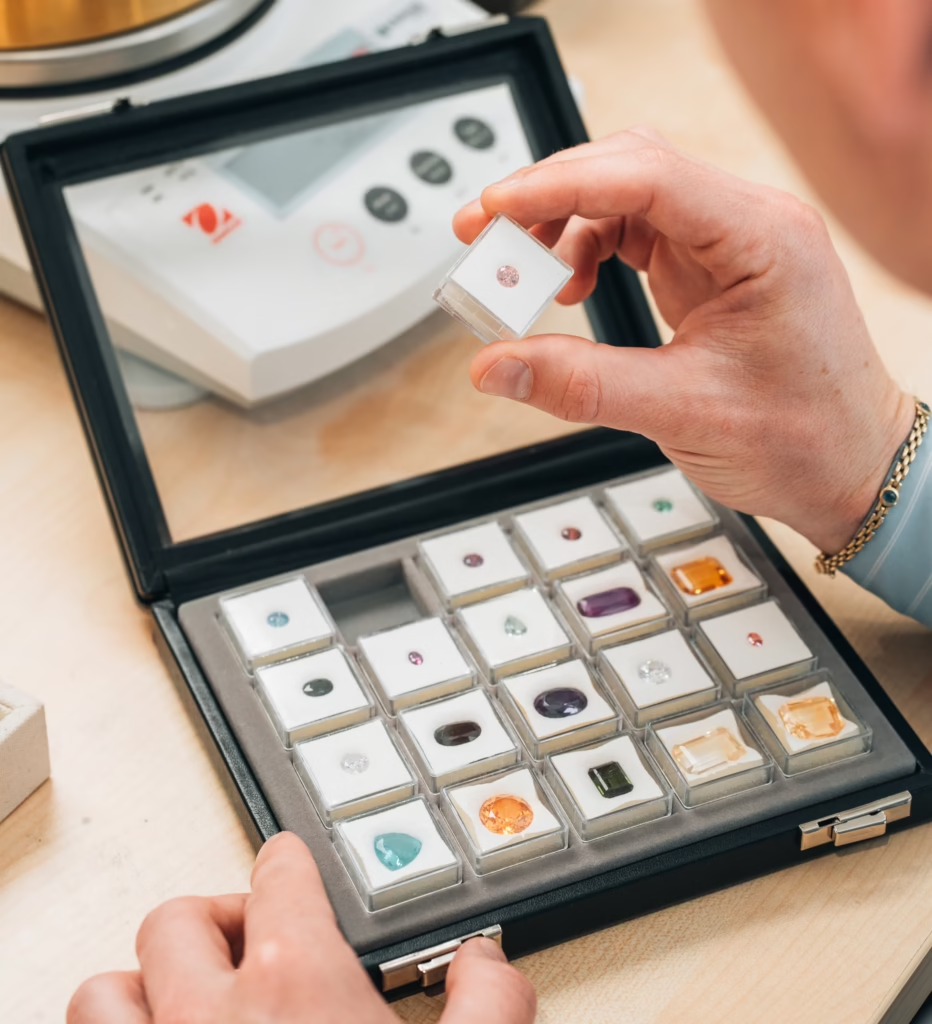
Every stone is different.
Two rubies of the same weight can have very different values depending on their color, clarity, or origin.
That is why it is impossible to say that all gemstones increase in value over time.
Scarcity plays a key role
As with many collectibles, rarity has a significant impact on the value of a gemstone.
High-quality deposits are limited, and some historic mines are now producing much less than they used to.
This rarity can drive up the value of certain exceptional stones.
High-quality natural rubies, Colombian emeralds, and certain Kashmir sapphires are among the gemstones most sought after by collectors.
Quality remains the most important criterion
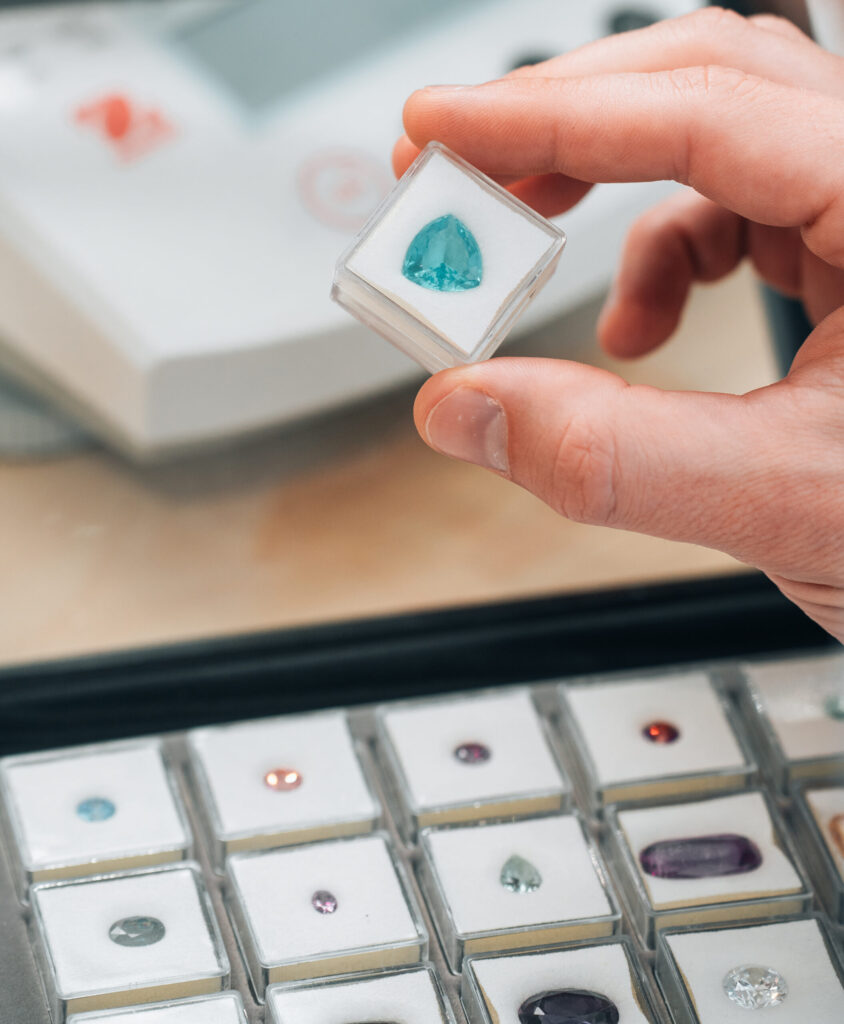
Not all gemstones are created equal.
In particular, professionals analyze:
- color;
- purity;
- carat weight;
- the quality of the cut;
- the possible presence of treatments;
- the origin, when it can be determined.
An exceptional gemstone will generally retain its value better than one with many flaws.
Do diamonds always increase in value?
That's a common misconception.
Not all diamonds automatically increase in value.
The market is constantly changing, and several factors influence diamond prices, including the quality of the stone, demand, and the emergence of lab-grown diamonds.
However, the rarest natural diamonds continue to be highly sought after, especially when accompanied by a certificate issued by a recognized laboratory.
What about rubies, sapphires, and emeralds?
Very high-quality rubies, sapphires, and emeralds may increase in value over time, particularly as their rarity increases.
Collectors are particularly interested in:
- natural rubies with an intense red color;
- sapphires with deep, uniform colors;
- emeralds with an intense, luminous green color.
Conversely, a stone of average quality or one that has been heavily treated will not necessarily change in the same way.
Do treatments affect value?
Yes.
Some gemstones are heated or treated to enhance their appearance.
These treatments are common in the jewelry industry and do not mean that a stone is fake.
On the other hand, untreated natural stones are often rarer and may be more sought after on the market.
Can a certificate increase the value of a gemstone?
A certificate does not alter a gemstone's intrinsic quality, but it serves to attest to its characteristics.
When issued by a recognized gemological laboratory, it provides valuable information regarding:
- identifying the stone;
- its weight;
- its dimensions;
- any treatments they may be receiving;
- its origin, when it can be determined.
It therefore provides reassurance to buyers and often makes it easier to appraise the property.
Is there a way to tell if a gemstone has increased in value?
The only way to determine this is to have an expert assessment conducted.
Over the years, the market has evolved, as have our understanding of certain gemstones and collectors' expectations.
An appraisal makes it possible to precisely identify the gemstone, assess its quality, and determine its value based on current market conditions.
Have your gemstone jewelry appraised
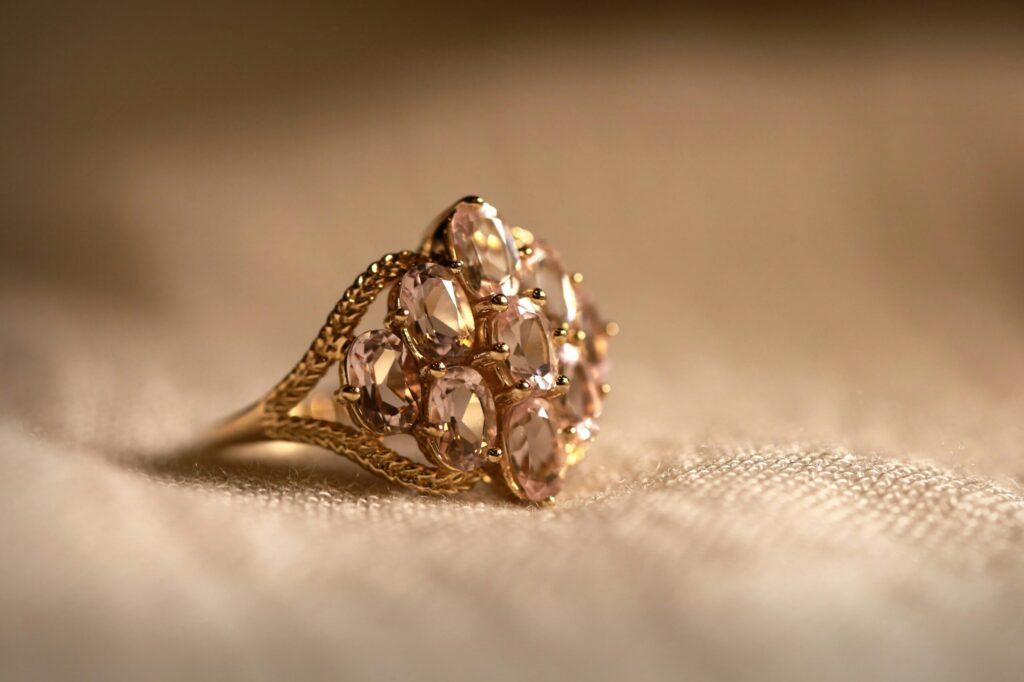
Do you own a ring, wedding band, pendant, or bracelet set with a diamond, ruby, sapphire, or emerald?
The experts at Agence de l’Or welcome you to our offices in:
We provide a free, transparent, and no-obligation appraisal of your gold jewelry, as well as the gemstones it contains, when those gemstones are of particular interest.
Key Takeaways
Gold protects your wealth during times of uncertainty.
It retains its value despite inflation.
Diversification enhances your security.
Physical gold gives you complete freedom.
Similar articles
Personalized advice at the branch
In addition to online purchases, our experts are available to meet with you at one of our branches in Belgium to help you with your investment plan: choosing the right investment vehicle, setting a budget, and developing a diversification strategy tailored to your goals.
This consultation is free and requires no commitment. Take advantage of our hands-on experience to invest with confidence, with the same level of transparency as you’d find online.
Frequently Asked Questions
Can I purchase precious metals online or only in person?
L’Agence de l’or offers you complete freedom. You can make your investment directly on our e-commerce website, or visit one of our branches in Belgium to receive in-person advice.
Do you provide certificates of authenticity with the products purchased?
Absolutely. Every bullion bar and investment coin we offer for sale is rigorously inspected and always comes with its official certificate of authenticity, guaranteeing its purity and provenance.
What documents do I need to provide to buy or sell gold?
For any financial transaction involving precious metals, the law requires an identity verification process known as KYC (Know Your Customer). Whether you’re confirming an online payment or selling an item in a store, you’ll be asked to provide a valid form of identification to ensure the transaction is secure.
Can I pick up my online order directly at the store?
Yes, if you'd prefer to avoid shipping, you can select "pick up in store" when you place your order. Your order will be prepared and made available securely at the location of your choice.